
Meal Planning for the Non-Planner: A Flexible Framework to Reduce Decision Fatigue
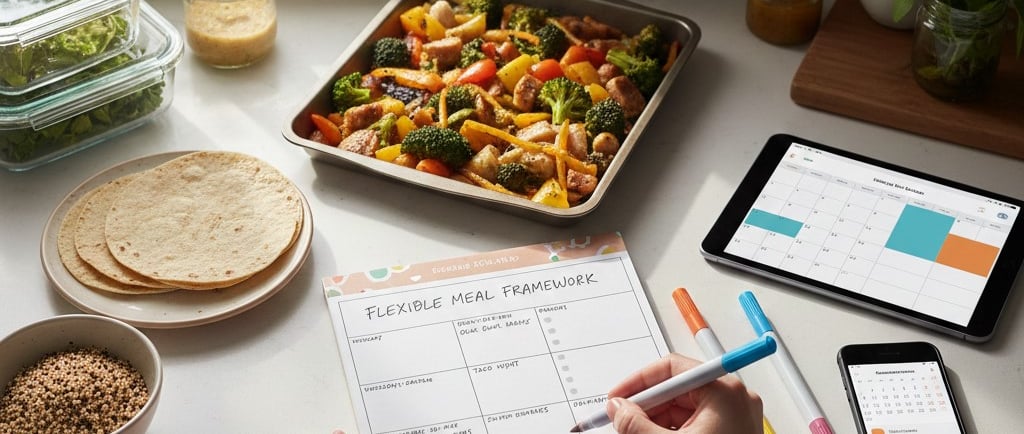
Learn how Batch Cooking serves as your secret weapon for reducing daily decision fatigue and saving time. Utilize your Sunday: Plan & Prep time to cook grains, wash greens, and chop vegetables, making weekday cooking much easier.
GENTLE MEAL PLANNING & WHOLE FOOD KITCHEN
11/25/20255 min read
Understanding Decision Fatigue
Decision fatigue refers to the psychological phenomenon where an individual’s ability to make decisions deteriorates after a prolonged session of decision-making. This decline can significantly affect various aspects of daily life, particularly when it pertains to meal choices. In a world engulfed by choices—from what to eat for lunch to which recipe to follow for dinner—the number of decisions we face can quickly become overwhelming. This inundation can lead to suboptimal eating habits, as fatigue sets in and individuals resort to convenient but unhealthy options.
The burden of constant decision-making can contribute to mental exhaustion, irritability, and decreased cognitive function. As people encounter numerous choices throughout the day, they expend mental energy, which eventually leads to a state where they are less capable of making informed or healthy decisions. When faced with too many options, the tendency may shift toward favoring familiar or easy pathways, thereby compromising nutritional quality. As a result, the psychology behind decision-making underlines the importance of minimizing choices to support healthier eating habits.
Reducing decision fatigue can, therefore, yield multiple benefits. Firstly, it can lead to improved mental health; when individuals are not overstressed by constant decision-making, they often experience lower anxiety levels. Furthermore, consolidating choices and implementing a flexible meal planning approach can foster better nutritional outcomes. With less mental clutter, individuals are more likely to focus on preparing meals that are both nourishing and enjoyable. Ultimately, adopting strategies to alleviate decision fatigue not only enhances the overall cooking experience but also empowers individuals to make more mindful dietary choices.
Embracing Flexibility in Meal Planning
As the pace of modern life increases, the rigid nature of traditional meal planning can often feel overwhelming and restrictive. Embracing a flexible approach allows individuals to adapt their meal preparations according to personal needs, changing schedules, and spontaneous cravings. Flexible meal planning offers a dynamic solution that reduces stress and caters to the unpredictability of daily life.
One fundamental aspect of a flexible meal planning framework is the ability to pivot based on readily available ingredients. By maintaining a well-stocked pantry filled with versatile staples, such as grains, legumes, and frozen produce, meal creation can become an intuitive process. This method not only reduces the pressure to stick to a predetermined menu but also encourages the use of creativity in the kitchen. When faced with an unexpected change in plans, individuals can easily adjust their meals to incorporate whatever items they have on hand, ensuring that food does not go to waste and culinary exploration is maximized.
Additionally, accommodating varying dietary preferences and restrictions within a flexible meal plan enhances inclusivity for families or households with multiple members. Encouraging communication about dietary needs can further inform the planning process, allowing for meals that satisfy diverse palates without feeling forced or mundane. The key is to focus on adaptable recipes that can evolve based on individual preferences, ensuring everyone remains engaged in the decision-making process.
To implement flexibility, consider dedicating a single day to brainstorming versatile meal ideas while accounting for the week’s schedule. This planning could involve identifying several core recipes that can be easily modified with different vegetables, proteins, or spices. By fostering a habit of culinary improvisation, home cooks will find meal planning less daunting and more enjoyable, ultimately leading to a healthier and more satisfying eating experience. The essence of this framework lies in its simplicity, structure, and the capacity to navigate through daily life with ease and confidence.
Creating Your Flexible Meal Planning Framework
Establishing a flexible meal planning framework begins with a thorough assessment of your individual dietary needs and preferences. This initial step ensures that your meal plans are tailored to support your nutritional goals, whether they involve weight maintenance, enhancement of certain health markers, or accommodating food allergies. To aid in this process, consider documenting your dietary requirements and preferences in a notebook or digital format, allowing for easy reference as you formulate your meal plan.
Once you have a clear understanding of your dietary needs, the next step is to select core ingredients that you enjoy and that align with your nutritional goals. Aim to choose versatile ingredients that can be used across multiple meals and recipes. For instance, items such as quinoa, beans, chicken breast, and an array of vegetables can serve as the foundation for numerous dishes, providing ample opportunities for creativity in your meals. Cultivating a diverse list of core ingredients not only simplifies shopping but also reduces decision fatigue during meal preparation.
To enhance your meal planning, compile a versatile recipe list that incorporates your chosen ingredients. This list should include a mixture of quick recipes for busy days and more elaborate dishes for when you have extra time to cook. By categorizing your recipes—such as stir-fries, salads, soups, or sheet-pan meals—you can easily rotate them based on your schedule or cravings. Developing a seasonal recipe list can also introduce variety, as it encourages the use of fresh produce and keeps meals exciting.
Your flexible meal planning framework may also benefit from employing a template to streamline the process. Several online resources offer meal planning templates that are easy to customize. These templates can serve as a guide, allowing you to visualize your meals for the week while leaving room for spontaneity based on seasonal ingredients or mood. By carefully curating your meals in this manner, you can cultivate a harmonious balance of nutrition, enjoyment, and adaptability, ensuring that your meal planning is both manageable and satisfying.
Staying Committed and Adjusting as Needed
Commitment to a flexible meal planning approach requires mindfulness and adaptability, especially when navigating the challenges of a busy lifestyle. One effective strategy to maintain this commitment is to create a system for tracking meal successes and failures. This can be achieved by keeping a simple food journal or using a digital app to log meals. Documenting which meals were well-received and which were not can provide valuable insights that can guide future planning. This kind of reflective practice fosters a deeper understanding of family preferences and encourages an enjoyable culinary experience.
In addition to monitoring success rates, it is equally important to solicit feedback from family members. Having open conversations about meal preferences and experiences can help ensure that everyone feels involved in the meal planning process. Encourage family members to suggest dishes they would like to try, or to express their thoughts on meals that were particularly satisfying or disappointing. Incorporating this feedback can not only enhance engagement but also promote a sense of community around mealtime, making it more likely that everyone will embrace the flexible planning framework.
As dietary needs or personal preferences evolve over time, the meal planning approach should be adjusted accordingly. One way to remain flexible is to establish a core set of go-to recipes that can be modified with different ingredients or preparation methods. This allows for creativity while still simplifying decision-making. Additionally, keeping abreast of seasonal produce or emerging food trends can inspire fresh ideas and help revitalize the meal planning process.
Ultimately, staying committed to a flexible meal planning framework involves consistent evaluation and adjustment, ensuring that it remains enjoyable and effective for everyone involved. By fostering open communication, tracking successes, and being willing to adapt, meal planning can become a dynamic and rewarding endeavor.