Beginner's Guide to Batch Cooking for Stress-Free Natural Meal Prep
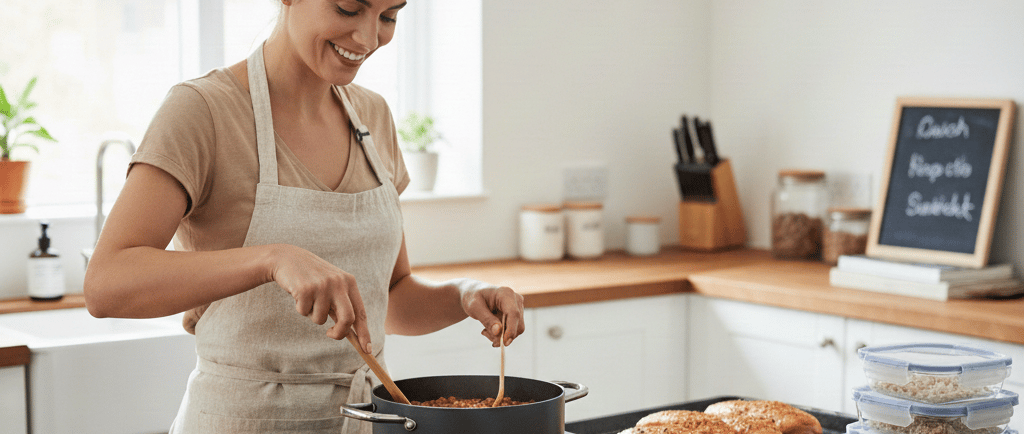
Learn how Batch Cooking serves as your secret weapon for reducing daily decision fatigue and saving time. Utilize your Sunday: Plan & Prep time to cook grains, wash greens, and chop vegetables, making weekday cooking much easier.
GENTLE MEAL PLANNING & WHOLE FOOD KITCHEN
12/3/20254 min read
What is Batch Cooking?
Batch cooking refers to the practice of preparing multiple portions of food at one time, which can then be stored and consumed over several days. This method diverges from traditional meal prep, which often involves an individual meal prepared specifically for each day or occasion. By focusing on larger quantities, batch cooking provides a more efficient approach to meal preparation, particularly for individuals with busy lifestyles.
The core principles of batch cooking revolve around the idea of efficiency and convenience. It entails planning meals in advance, typically for the week ahead, and cooking them in larger quantities. This practice not only allows for significant time savings during the week but also streamlines the overall cooking process. With batch cooking, individuals are less likely to feel overwhelmed by daily cooking tasks and can enjoy the benefits of having ready-to-eat meals on hand.
One of the primary advantages of batch cooking is that it can effectively reduce food waste. By cooking larger amounts, individuals are less likely to let ingredients spoil, as meals are carefully portioned and stored. Additionally, batch cooking promotes a healthy diet, as it encourages home-cooked meals made with fresh, nutrient-dense ingredients. This way, individuals have more control over their dietary choices and can avoid reliance on take-out or processed foods.
Furthermore, batch cooking can greatly simplify weeknight meals; less time spent in the kitchen means more time to relax or engage in other activities. As individuals incorporate this practice into their routines, they often find that it fosters a more organized kitchen environment, making it easier to prepare meals and maintain a healthy lifestyle. Thus, batch cooking serves as a practical solution for those seeking to balance the demands of daily life with the desire for nutritious meals.
Essential Tools and Equipment for Batch Cooking
Embarking on the journey of batch cooking requires not only effective planning but also the right tools and equipment to ensure success. To make your meal prep both efficient and enjoyable, it's imperative to invest in several essential kitchen items. These key tools can enhance your cooking experience and streamline the entire process.
One of the most critical elements in batch cooking is food storage containers. Opt for high-quality, airtight containers that are easy to stack and label. They come in various sizes, allowing for the storage of everything from soups to salads. Look for containers made of glass or BPA-free plastic, as they are durable and safe for reheating. Additionally, consider using food storage bags for items that may not require rigid containers, such as snacks or bulk ingredients.
A kitchen scale is another vital tool, particularly for those who want to maintain portion control and precise measurements. It can be invaluable when following recipes or making meal plans, ensuring consistency across your batch cooking endeavors. Invest in a digital kitchen scale for ease of use and accuracy.
When it comes to cooking appliances, slow cookers and Instant Pots are highly beneficial for batch cooking. These devices not only save time but also allow for the preparation of multiple meals simultaneously. Slow cookers are perfect for hearty stews and soups, while Instant Pots can help you quickly prepare grains, beans, and even yogurt. When choosing these appliances, look for features that cater to your cooking style and the types of meals you plan to make.
Lastly, to maintain an organized kitchen space, consider implementing storage solutions such as racks and drawer organizers, making it easier to access your tools. Keeping your workspace tidy will contribute to a more efficient batch cooking experience.
Planning Your Batch Cooking Menu
Creating an effective batch cooking menu is pivotal for ensuring that meal preparation is both manageable and enjoyable. Selecting recipes that suit your dietary preferences is the first step in this process. Begin by considering the types of meals and flavors you and your family enjoy. Look for recipes that are suitable for bulk preparation, such as soups, stews, casseroles, and grain-based salads, as these dishes tend to retain their quality when stored in the refrigerator or freezer. Additionally, prioritize recipes that can be easily varied by changing up ingredients or seasonings, which will enhance meal variety and satisfaction throughout the week.
Incorporating seasonal ingredients not only elevates the flavors of your dishes but also supports local agriculture and sustainability. When planning your batch cooking menu, take note of what vegetables and fruits are currently in season, as they tend to be fresher and more economical. Websites that provide information on the seasonal availability of produce can be valuable resources for this aspect of your planning.
As you strategize your meals for the week, consider the balance of flavors, textures, and nutrients. Aim for a mix of proteins, healthy fats, and carbohydrates, and ensure that each meal contains a variety of vegetables to meet nutritional needs. Making the most of leftovers is another key strategy in batch cooking. Plan meals that can have multiple uses; for example, roasted vegetables can serve as a side dish one night and be incorporated into a grain bowl or wrap the next day, thereby minimizing food waste and maximizing your meal prep efficiency.
Batch Cooking Tips for Beginners
Embarking on the journey of batch cooking can be both exciting and daunting for beginners. To ease this transition, it is essential to implement a few practical tips that can streamline the process and promote efficiency. First and foremost, timing is a crucial factor. Consider planning a dedicated day each week to focus on meal preparation. This will not only set expectations but also foster a habit of regularly preparing meals in advance.
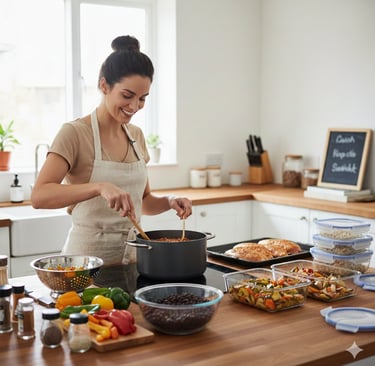
Simultaneously cooking multiple items can significantly save time. Utilize pots, pans, and baking sheets to cook various ingredients at once. For example, while grains are simmering, you can roast vegetables in the oven. This approach maximizes the efficiency of your cooking efforts and minimizes the time spent in the kitchen. Additionally, consider batch cooking proteins such as chicken or legumes, which can be repurposed throughout the week in various recipes.
Preparation is equally important. Before you begin cooking, take the time to wash, chop, and organize ingredients. Having everything ready to go creates a streamlined workflow that reduces the likelihood of feeling overwhelmed. Use airtight containers to store your finished meals properly. Labeling these containers with the meal name and date can further enhance your organization and help you keep track of what needs to be eaten first.
Common challenges faced by novice batch cooks include storage issues and limited freezer space. To address these, consider investing in stackable storage containers that maximize vertical space. Additionally, not all meals require freezing; plan to consume some meals within a few days of cooking. By acknowledging these potential hurdles and developing strategies to overcome them, beginners can build confidence in their batch cooking endeavors. Remember, the goal is to transform meal prep into a stress-free component of your weekly routine.