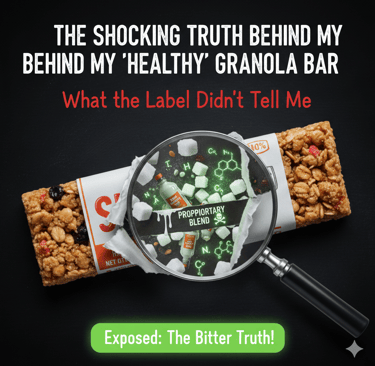
The Shocking Truth Behind My 'Healthy' Granola Bar: What the Label Didn't Tell Me
Think your favorite "healthy" snack is fueling your body? Think again. Many store-bought granola bars are actually ultra-processed foods engineered in labs to trigger cravings with a specific "bliss point" of sugar, salt, and fat. While the packaging might feature wholesome imagery, the reality is often hidden in plain sight.
12/23/20255 min read
A Journey of Discovery: My Granola Bar Experience
As someone who is always on the lookout for healthy snacks, the allure of a granola bar branded as "natural" caught my attention. The packaging was adorned with vibrant images of picturesque farms and wholesome ingredients, fostering an immediate sense of trust. I was convinced that I had made a wise nutritional choice. The packaging seemed to communicate a message of authenticity, leading me to believe that the contents were aligned with my health goals.
Upon unwrapping the granola bar, the enticing aroma of oats and honey filled the air, reinforcing my belief in its health benefits. I imagined it to be a perfect balance of taste and nutrition, a quick bite for my busy lifestyle. The initial few bites were, indeed, satisfying, as I was seduced by the crunchy texture and rich flavors. It felt good to indulge in what I thought was a smart decision for my body.
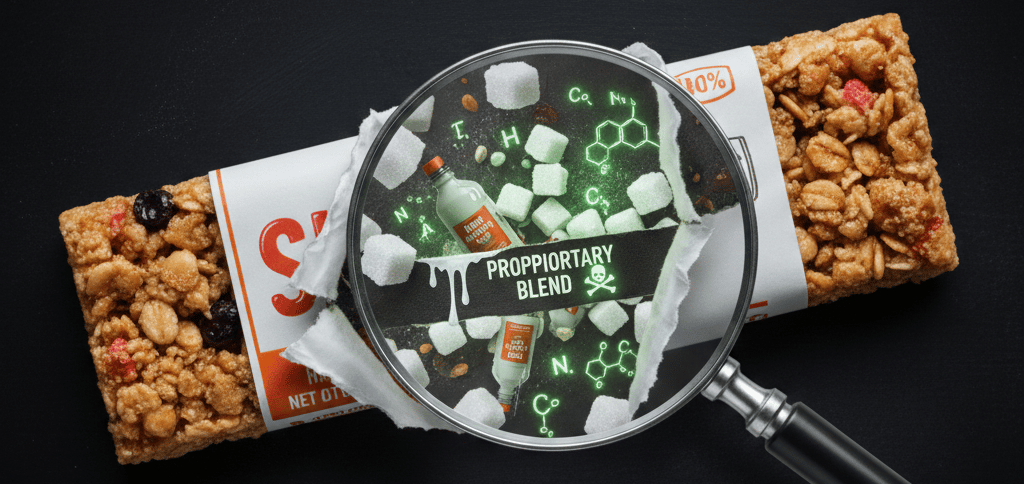
However, my journey took a turn when I decided to read the ingredient list more closely. To my surprise, the bar contained a long list of additives and sugars that were far from the wholesome ingredients depicted on the package. The presence of high fructose corn syrup, artificial flavorings, and preservatives effectively contradicted the perception I had formed based on the packaging. Each ingredient told a different story, one that highlighted the significant gap between marketing and reality.
This experience was disheartening but ultimately enlightening. It served as a crucial reminder to scrutinize food labels more carefully, revealing that not all products marketed as "healthy" are what they seem. This revelation set the stage for a deeper investigation into the granola bar industry, compelling me to reevaluate not only my snack choices but also the misinformation that often surrounds health food products.
Unveiling the Ingredients: What the Decoder Revealed
While enjoying my seemingly healthy granola bar, I decided to investigate its ingredients further using a tool known as the "natural label decoder." This moment of curiosity led me to uncover several alarming red flags that raised serious questions about the nutritional integrity of the product. The three ingredients that stood out strikingly were high fructose corn syrup, BHT (Butylated Hydroxytoluene), and Red 40.
High fructose corn syrup (HFCS) is a sweetener derived from corn and is commonly used in many processed foods. It is cheaper than table sugar and significantly sweeter, which makes it popular among manufacturers. However, studies have indicated that excessive consumption of HFCS may contribute to obesity, insulin resistance, and other metabolic disorders. This red flag prompted me to scrutinize my granola bar, which I had assumed was a healthy snack.
Next in line was BHT, or Butylated Hydroxytoluene, an artificial antioxidant frequently used to prolong the shelf life of processed foods. While it helps in preventing fats from becoming rancid, its safety has been debated among health experts. Some studies have linked BHT to potential health risks, including behavioral issues and possible carcinogenic effects when consumed in large quantities over time. This revelation was concerning, considering how often people reach for snacks like granola bars, believing them to be wholesome choices.
Lastly, I discovered the presence of Red 40, a synthetic food dye derived from petroleum. Widely used to enhance the visual appeal of many products, this dye has been associated with hyperactivity in children and various allergic reactions. The fact that a product marketed as healthy contained this artificial ingredient significantly undermined its credibility in my eyes.
Thus, my investigation made it clear that the granola bar I had considered a healthy option was compromised by these questionable ingredients. The decoder revealed not only the truth behind the label but also the importance of being cognizant of what we are putting into our bodies.
The Hidden Dangers: Understanding Why These Ingredients Are a No-Go
When it comes to pre-packaged foods, particularly granola bars marketed as healthy snacks, it is essential to scrutinize the ingredient list. Among the most concerning additives found in many popular granola bars are high fructose corn syrup (HFCS), butylated hydroxytoluene (BHT), and artificial coloring agents such as Red 40. Each of these substances can pose significant health risks that are often overlooked by consumers.
High fructose corn syrup is widely used as a sweetener and has been linked to numerous health issues. Research indicates that HFCS can lead to insulin resistance and obesity due to its ability to increase appetite. A study published in the American Journal of Clinical Nutrition highlights that excessive consumption of HFCS is correlated with rising rates of metabolic syndrome, which increases the risk for type 2 diabetes and heart disease. Additionally, since HFCS is rapidly metabolized by the liver, it can cause spikes in blood sugar levels that may ultimately result in energy crashes and mood swings.
On the other hand, BHT, a synthetic antioxidant, is added to prevent fats from going rancid. However, studies suggest that it may have adverse effects on health. The National Toxicology Program has classified BHT as a potential human carcinogen, based on animal studies that indicated its propensity to promote tumor growth. Furthermore, consuming BHT can cause allergic reactions and contribute to hyperactivity in children.
Lastly, synthetic dyes like Red 40 are prevalent in many snack products, including granola bars. Research has shown that artificial colors can lead to behavioral issues in children and are associated with other health concerns, compelling consumers to reconsider their intake. The Center for Science in the Public Interest advocates for better labeling and awareness around these risky additives.
In light of these findings, it is crucial for consumers to be vigilant regarding the ingredients in their food. Understanding the potential dangers of additives such as HFCS, BHT, and Red 40 is essential for making informed dietary choices.
Empowering Your Choices: How to Make Informed Decisions
In an age where health consciousness is on the rise, making informed choices about food has never been more crucial. However, navigating through aisles filled with products boasting 'natural', 'organic', and 'healthy' labels can be quite misleading. To combat the confusion that often accompanies these labels, I developed a user-friendly tool known as the ‘natural label decoder’. This tool enables individuals to easily identify potentially harmful ingredients in their choices, without the need for extensive nutritional knowledge.
The functionality of the natural label decoder is straightforward. Users simply input the list of ingredients found on any product’s packaging, and the tool analyzes them against a database of common additives deemed unhealthy. This process not only highlights harmful ingredients but also provides valuable insights on their potential effects on health. It empowers consumers to make informed decisions about what they are putting into their bodies. Being educated about food labels is essential; it allows you to discern between genuine healthy products and those that are cleverly marketed.
I encourage readers to try out the natural label decoder tool immediately. Understanding the contents of your food can be an eye-opening experience, and this tool serves as a first step towards a more health-conscious lifestyle. Knowledge is power, and being informed allows you to take charge of your dietary choices confidently. Initiating this small change can lead to significant improvements in your health journey.
To explore further, I invite you to delve into healthy eating habits and learn more about how to make smarter food choices. Your awareness and vigilance in understanding food labels can foster a remarkable transformation in your health and well-being.