Red 40 & Yellow 5: Why We Banned Artificial Colors from Our Kitchen
Have you ever wondered why your "fruit-flavored" snacks are so vibrantly colored? It’s rarely from real fruit. Instead, many modern snacks are ultra-processed foods engineered with laboratory-made dyes like Red 40 and Yellow 5 to catch your eye. While these additives make food look appealing, they are "subtle traps" that may be sabotaging your family's health.
12/29/20254 min read
A Eye-Opening Discovery: The Ingredient Decoder
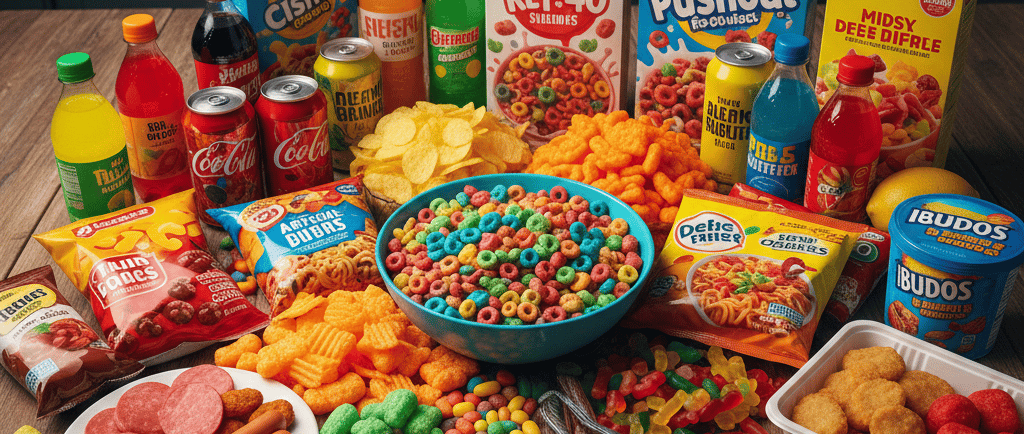
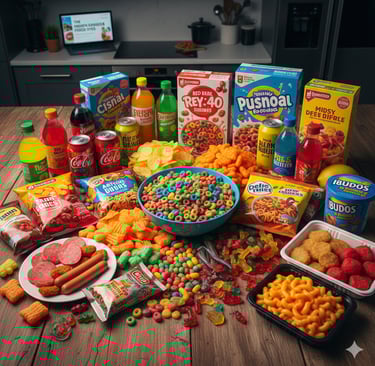
One ordinary afternoon, while preparing a quick meal for my family, I found myself reflecting on the health of our food choices. Like many, I had become accustomed to trusting brand names and colorful packaging, associating vivid hues with appetizing flavors. Driven by a sudden urge to prioritize health, I decided to investigate the ingredients in the snacks I had placed in our pantry. With the help of an ingredient decoder app, I began to unravel the mystery hidden within the labels.
As I typed in the names on a box of brightly colored cereal, I was met with an alarming reality when I saw Red 40 marked in bold letters on the screen. My heart sank slightly as I grappled with the implications of this startling discovery. This artificial color, which I dimly recognized from childhood commercials, was not merely a harmless additive but a compound with potential adverse effects on health. In that moment, I felt a wave of betrayal wash over me, as I realized how much I had taken for granted.
Processing this newfound knowledge was a complex emotional journey. It felt as if the layers of my trust in food products had been stripped away, revealing a harsh truth beneath the vibrant labels. I started reflecting on how often I had consumed items infused with such artificial ingredients, unaware of the potential risks. My commitment to making healthier choices took a more profound shape as I recognized that the allure of color should never precede the well-being of my family.
This experience not only altered my shopping habits but also ignited a passion for understanding food labeling and promoting natural ingredients. The use of artificial colors in our meals became a topic of concern that I could no longer ignore. This pivotal moment marked the beginning of a journey towards eliminating artificial colors like Red 40 and Yellow 5 from our kitchen, ensuring that health remains paramount in our choices.
Understanding Red 40 and Yellow 5: The Dark Side of Artificial Colors
Red 40, also known as Allura Red AC, and Yellow 5, or Tartrazine, are synthetic food colorings commonly utilized in various food products. Originating in the mid-20th century, these vibrant hues have become staples in numerous processed foods, including candies, soft drinks, and snack foods. Derived from petroleum, their widespread application is largely attributed to their ability to enhance visual appeal and mask unappealing colors in food.
Despite their prevalence, numerous studies have raised concerns about the health implications of consuming products containing these artificial colors. Research has suggested potential links between Red 40 and behavioral issues in children, such as increased hyperactivity and attention problems. For instance, a study published in the Journal of Pediatrics found that children consuming a diet high in artificial food colorants exhibited significant behavioral changes when compared to those on a natural diet.
Yellow 5 has similarly come under scrutiny, with studies indicating that individuals may experience allergic reactions to this additive. Symptoms can include hives, swelling, and respiratory issues, particularly in those with sensitivities. Furthermore, some research indicates that combinations of artificial colors and certain preservatives may contribute to worsening health effects, which underscores a broader concern regarding synthetic additives in food.
These findings have prompted a reevaluation of the role of artificial colors in our diets. As consumers increasingly prioritize health, understanding the effects of these artificial ingredients, including their potential impacts on both physical health and behavioral issues, is essential. This knowledge empowers individuals to make informed dietary choices, steering clear of products laden with unnecessary and potentially harmful additives like Red 40 and Yellow 5.
Empowering Yourself: Using the Natural Label Decoder Tool
In an age where health-conscious choices are paramount, understanding food labels has become a necessity. To assist consumers in navigating the complexities of ingredients in their food, we have developed the Natural Label Decoder Tool. This free, user-friendly resource is designed to empower individuals to take control of their dietary choices by highlighting ingredients that may contain harmful additives, such as Red 40 and Yellow 5.
The Natural Label Decoder Tool works by allowing users to input the name of a product or scan its barcode. Once the information is submitted, the tool quickly analyzes the ingredient list and flags potentially harmful additives. This enables users to make informed decisions about what they include in their meals. Additionally, the tool provides detailed explanations about various additives, including their origins, potential effects on health, and safer alternatives, fostering a more educated consumer base.
One of the outstanding features of the Natural Label Decoder Tool is its extensive database, which encompasses a wide variety of products across many food categories. This ensures that users can access relevant information quickly, making the identification of artificial colors and other additives straightforward. Furthermore, this tool is regularly updated to include new products and emerging research on food additives, widening the scope of knowledge available to consumers.
By leveraging the Natural Label Decoder Tool, individuals can simplify the sometimes-overwhelming process of reading labels and ingredient lists. It not only highlights concerning substances like artificial colors but also encourages healthier dietary habits by advocating the consumption of natural alternatives. In a world filled with processed foods and misleading claims, being equipped with this tool is an essential step towards a healthier lifestyle.
Take Action: Your Journey Toward Natural Nourishment Starts Here
As we conclude our exploration of artificial colors and their implications for health, it is crucial to consider the steps you can take toward a more natural approach to nourishment. Embracing food transparency starts with awareness—specifically, the decision to scrutinize labels for artificial ingredients like Red 40 and Yellow 5. By making informed choices, you can significantly impact your well-being.
We invite you to utilize our label decoder tool. This resource empowers you to decode what is truly in your food, allowing you to identify and avoid artificial colors and additives effectively. As you embark on this journey, remember that every small change contributes to your overall health; making conscious choices fosters an empowered lifestyle. The path to natural nourishment is not a sprint but a mindful journey towards better food practices.
To further assist you in discovering healthy alternatives, we recommend our guide, "Nourish Naturally." This comprehensive resource will provide invaluable insights into sourcing and incorporating natural ingredients into your meals, thereby enhancing your knowledge on how to replace processed foods with their wholesome counterparts. From recipes to practical tips, this guide serves as a roadmap for those eager to enjoy the benefits of natural nourishment.
Your journey towards natural eating starts today. Take the initiative to choose healthier, more informed options at the grocery store. Each time you select products with natural ingredients, you are taking meaningful steps towards a healthier lifestyle for you and your family. Begin this empowering transformation by utilizing the tools and resources available to you—your health journey is in your hands.